No, it’s not about you. At least not all the time. Social media is about one very simple idea: two-way conversation. So, as in any good conversation there is the good conversation opener.
A good conversation opener is not:
No, it’s not about you. At least not all the time. Social media is about one very simple idea: two-way conversation. So, as in any good conversation there is the good conversation opener.
A good conversation opener is not:
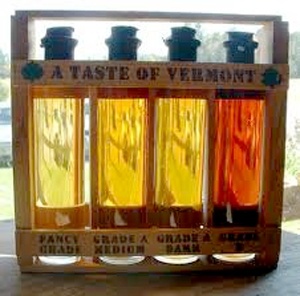
Cold nights. Warmer days. The maple sap in Vermont has started to flow.
A decidedly low-tech industry, “sugaring” takes advantage of gravity as the primary force used to collect the sweet sap that gets boiled down to make maple syrup. Any Vermont schoolchild can tell you that it takes approximately 40 gallons of sap to make just one gallon of syrup, which means a lot of fuel is needed.
So what do we know so far?
Apps are sexy. Mobile is the way to go. As a business tool it’s hard to disregard smartphones and tablets and their forward momentum. So should businesses jump on the bandwagon and create custom apps for their internal and external users?
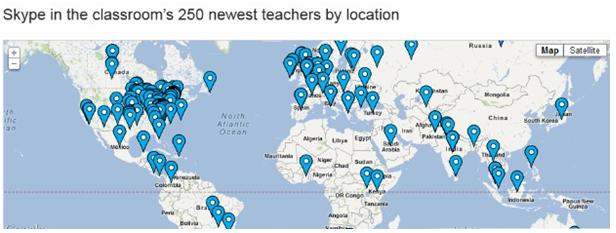
Chances are your memories from fourth grade do not include video chatting with students from Morocco to discuss culture and food trends. However, for some New Hampshire elementary students, and an increasing number of classrooms across the country, global video conferencing is becoming a common classroom occurrence.
Skype, an application that allows users to make voice and video calls over the internet, released its “Skype in the Classroom” program late last year. The free online program brings teachers together to set up global classroom chats. Focusing on culture, language and discovery, Skype in the Classroom is providing a global networking platform for classroom collaboration. Teachers set up online profiles listing their classroom interests, specialties, and locations to find partner classrooms across the globe.
Here’s a true energy-efficiency advocate’s quandary: Are energy-efficient home windows melting hybrid vehicles?
According to Heather Patron of Studio City, California, the answer is yes.
Call it shiny object syndrome, but it seems we’re always eager to put our highest hopes in the latest social media trend. Lots of overhyped platforms have died on that vine. But, one is blossoming – it’s called Pinterest, and we think you should check it out. We’re excited about it around the office and see a number of brand applications in this rising star of the social media sphere.
What is it? It’s an online social bookmarking tool that’s based on sharing visual imagery. You can set up your own “pin boards” and pin your favorite images from around the Internet. Like Twitter, you can follow the people or boards you like and have them served up in a constant stream. With great ease, viral spread is possible through re-pinning, likes, comments and the ability to share your pins on Facebook, Twitter and email. Only two years old, it now boasts 421 million visits and 3.3 million users.
With that journalistic pedigree, we were surprised to see the headline: "When Any PR is Bad PR."
To summarize, author Jon Margolis feels that the decision of the Green Mountain Care Board (a group of five appointed to oversee the design of a comprehensive health care system to serve every Vermonter) to seek outside public relations help communicating its vision was a bad idea.
We disagree.
At KSV, we believe that public relations is a key tool for open and transparent communications between brands, organizations and customers. That's why we took issue when this Vermont media outlet lashed out at PR professionals.
Here's our response to the article (also available in the Comments section - just scroll down):
I find it interesting -- and very helpful for visitors to your site -- that VTDigger has a section for press releases about various topics, ranging from the governor's current programs to announcements from nonprofits like the Mad River Food Hub to Attorney General Bill Sorrell's latest filings on behalf of the citizens of Vermont.
Just last week, I sent an email to your editor announcing a client's scholarship program. And yes, it was published on VTDigger.
Is Mr. Margolis suggesting that all of these news items should be banished because public relations professionals likely were involved?
If so, VTDigger soon would find itself very light on content. Not only that, voices and perspectives would be missing from the conversations that happen every day in the Vermont media scene.
VTDigger, like any other media outlet, has a responsibility to vet the information it receives before sharing it with the public. In turn, organizations and companies (including their PR firms) have an obligation to present truthful and accurate information. If that means that a small group of health care professionals relies on a public relations firm to inform the public of its activities, seek input on its progress, and share how and why the board plans to solve the tangled issues in question, then hiring a public relations professional or firm is an investment in realizing the goals of the organization.
On the media side, I would be curious to see how many outlets would claim never to have collaborated with a public relations representative or firm on a story. We share news, information and insights from our clients about the world around us. It's the media's obligation to determine if it's newsworthy.

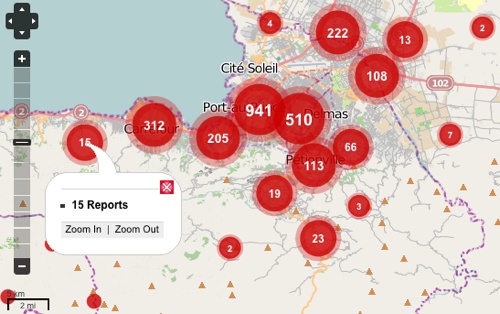
“Imagine a way for people all over the world to tell the story of what was happening to them — or around them — during a disaster or emergency.” –Ushahidi-
It’s not often that the paths of a cartographer and a marketer cross, but here at KSV, we celebrate unlikely partnerships and cultivate ideas with outside inspiration.
1. Twitter. Don’t hit the retweet button and share mindlessly. Share thoughtfully by grabbing the content, pasting it into your message window and adding your two cents. Curated tweets are best-served with your point-of-view.
2. Pinterest. Add the “Pin it” button to your website and watch what happens.
EnergyWire is KSV’s weekly insight into the consumer mindset when it comes to energy. It’s an honest conversation on the reality of their perceptions and motivations, and how energy services companies can use this insight to successfully engage customers.