After months of research, interviews, and data analysis, we learned that the topic we’re marketing highly depends on context in order to resonate with customers. The misperceptions around “energy efficiency” are so great that people either stop listening, delete, or move on when they hear the term used in a general context.
We recently challenged ourselves to think differently about energy efficiency – to remove ourselves from the daily grind of heating & cooling programs, appliance rebates and financing offers. How do we approach participation from a bigger angle? How do we start the movement that we so desperately need to inspire action across audiences? How do we get people to care about living an efficient life?
Relationships. They are an integral part of our lives, both personally and professionally.
In the marketing world, we strive to build and maintain strong relationships with our clients, vendors, and each other. Businesses, in turn, have a responsibility to foster long-lasting relationships with their customers. Marketing initiatives are key to this effort. Whether it’s a coupon offer for Carter’s on Facebook or tips from a utility company on how to make a home more energy efficient, every relationship is important – and worth the time and effort to maintain it.
America is getting hammered in the media. Whether you read it in today's New York Times, "Running Out of Time", or today's Wall Street Journal opinion piece, "Ignoring Inequality", our major media are playing their role in hammering the American reputation, America's brand value.
Accidents happen. Breakdowns occur. The proverbial stuff, as they say, will hit the fan.
So, are you ready? Is your business prepared?
And not in the “sure, we have an old flashlight and a space blanket in the trunk” prepared. We’re talking about full-on, career- and office-saving crisis communications plans and execution strategy, for when serious, potentially business-altering emergencies and PR disasters rear their ugly heads.
JetBlue is my favorite airline. It is not just the TVs or the fact that I can check a bag for free, it’s the user experience from web to phone to terminal to plane. Granted the airline benefits from the dysfunction that defines its domestic competitors, but regardless Jet Blue creates a relatively easy, enjoyable travel experience.
Blue gets branding.
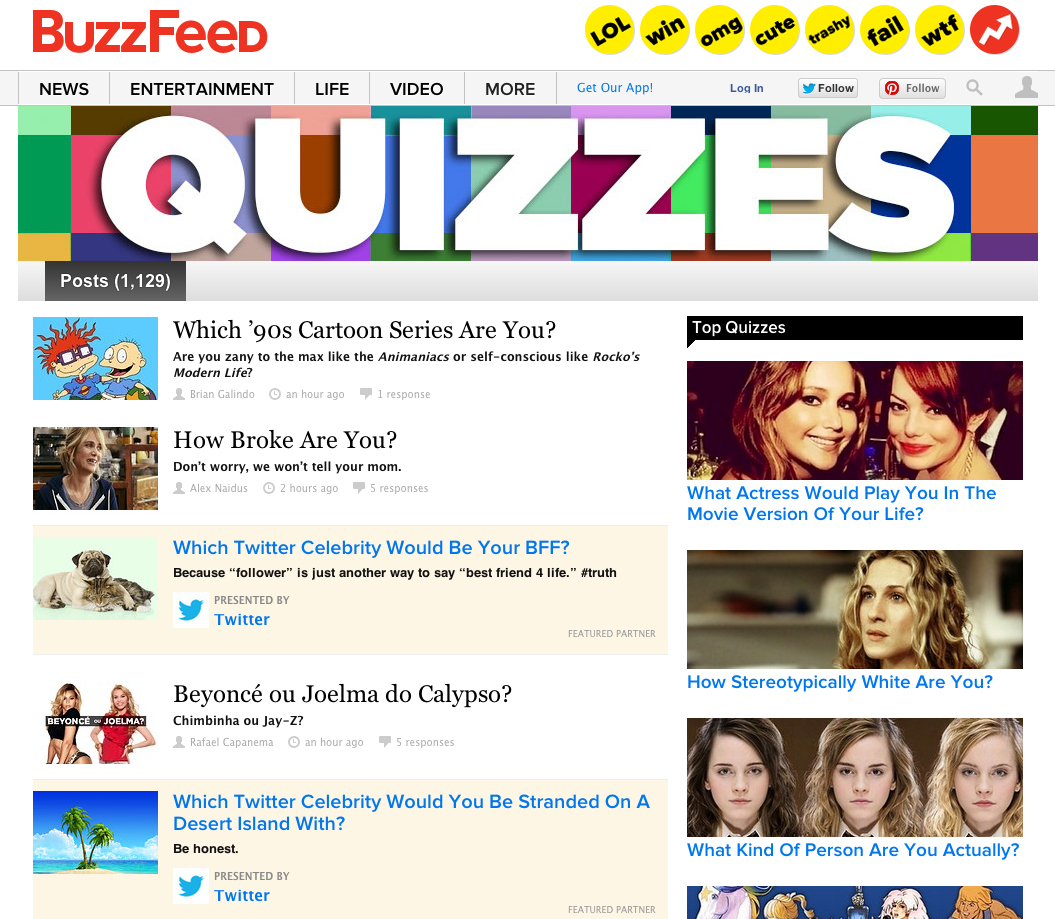
I have an addiction. And that addiction is taking BuzzFeed quizzes. How else will I know what kind of pasta I am, or what city I should live in? Maybe these quizzes feed into our me-centric, “I tweeted what I had for breakfast” culture. Maybe it’s the same reason horoscopes are popular. Or maybe they just make me feel like a 13-year old again, taking quizzes in Seventeen magazine.
Utilities are in an interesting place right now. Mandated savings goals are increasing, the economy isn’t great and technology is taking over. On top of this, the target is changing. All the “greenies” have already converted their lifestyles to be more sustainable and energy efficient. The “penny pinchers” have already made all the upgrades or investments (they can afford) to save “x” on their monthly utility bills.
So who’s left?
As of this morning, a share of Facebook is worth $59.30. What is a Facebook fan worth for a brand? Long a debated question (and considering research shows people very rarely visit company pages), the answer might be trending towards next to nothing.
Remember when brands excitedly hustled to buy “likes” from people on Facebook? It was a no brainer, right? Pay less than a dollar per fan acquisition and then enjoy 24/7 organic timeline distribution. Brands could stay in touch, inspire sharing, present special offers and interject fun, clever thoughts and contests throughout the Facebook experience. And , brands still can, kind of...
EnergyWire is KSV’s weekly insight into the consumer mindset when it comes to energy. It’s an honest conversation on the reality of their perceptions and motivations, and how energy services companies can use this insight to successfully engage customers.